Okapi Cabinet
About a year ago, I started work on a cabinet featuring an okapi, one of my favorite animals.
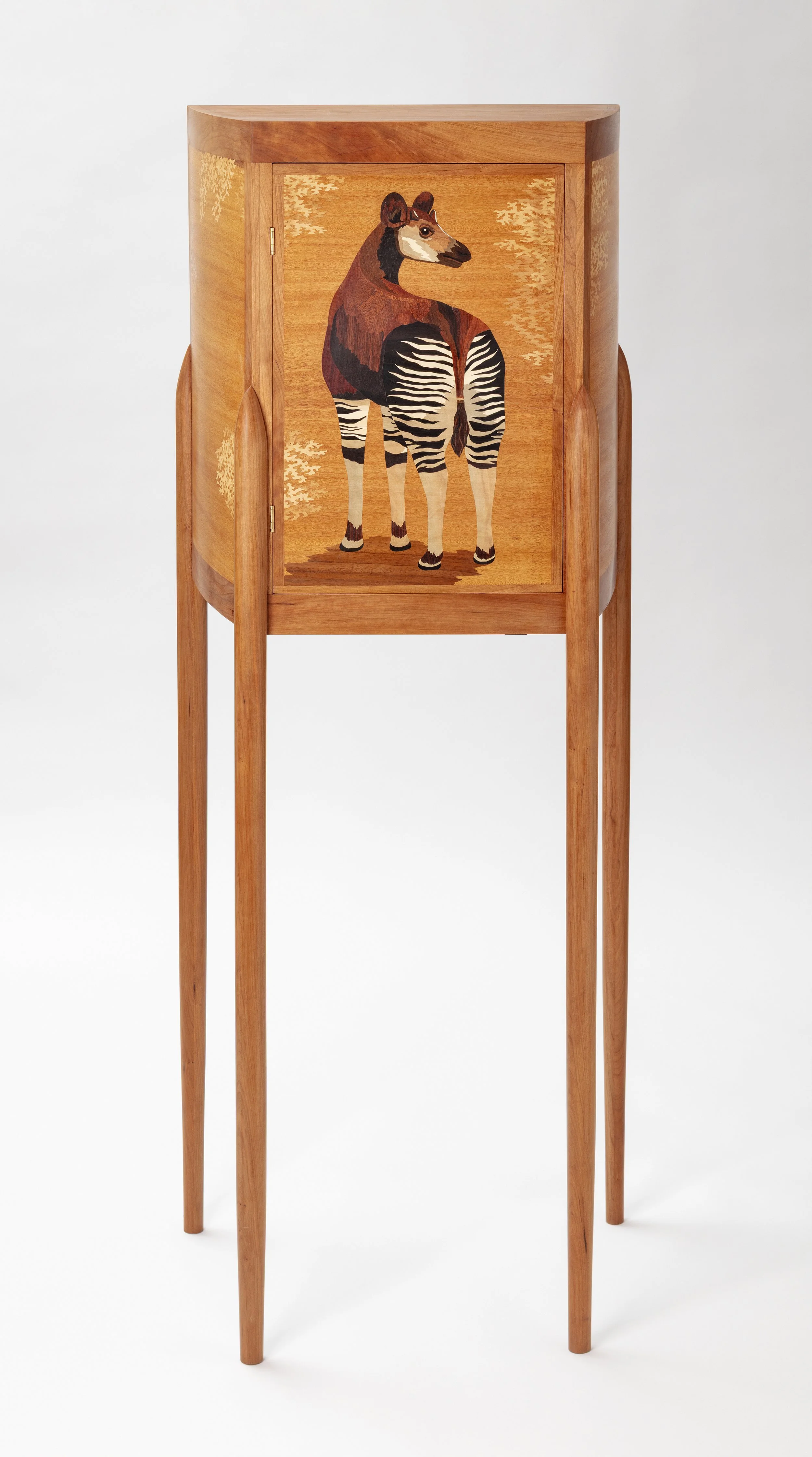
Photo: John Polak Photography
Okapis, which are related to giraffes, live in the forests of the Democratic Republic of Congo. Like giraffes, they have long bluish tongues, and male okapis have little horn-like bumps on their foreheads called ossicones. I can personally attest that they have exceptionally soft fur, which I know because I got to pat one at the Houston Zoo.
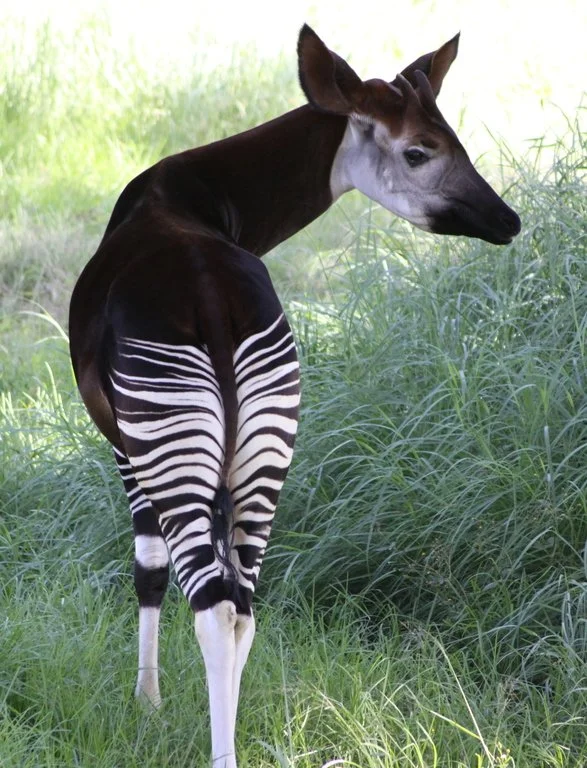
Photo: Derek Keats via Flickr (shared under Creative Commons license CC By 2.0)
Most notably, okapis have fabulous black and white stripes on their butts and legs. I couldn’t resist the opportunity to make art featuring an animal’s butt.
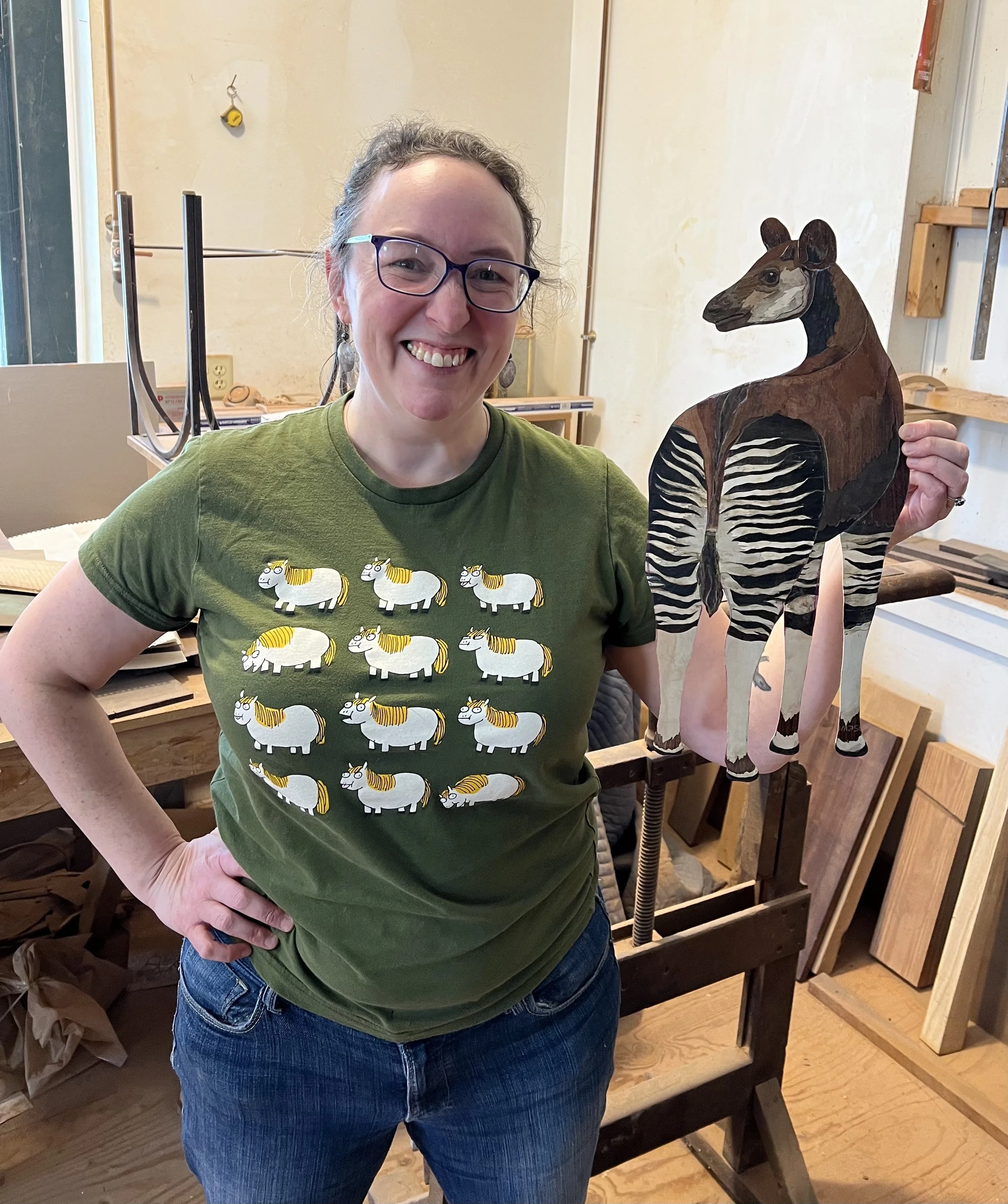
For the background and sides of my cabinet, I experimented with a multi-layered foliage pattern. I had previously made a bunch of abstract pieces that looked like coral, and I thought I could use a similar technique to evoke leafy plants around the okapi.
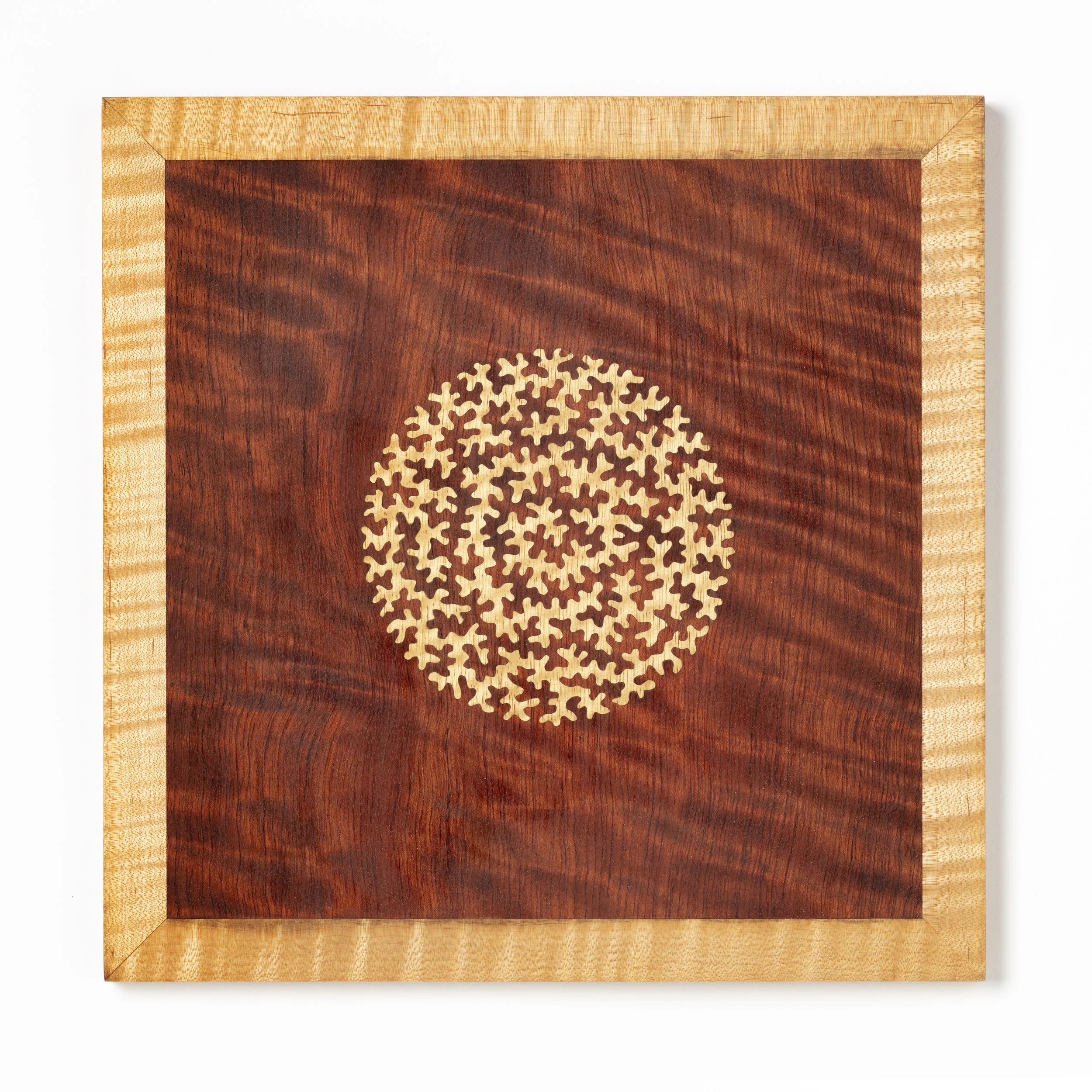
Photo: John Polak Photography
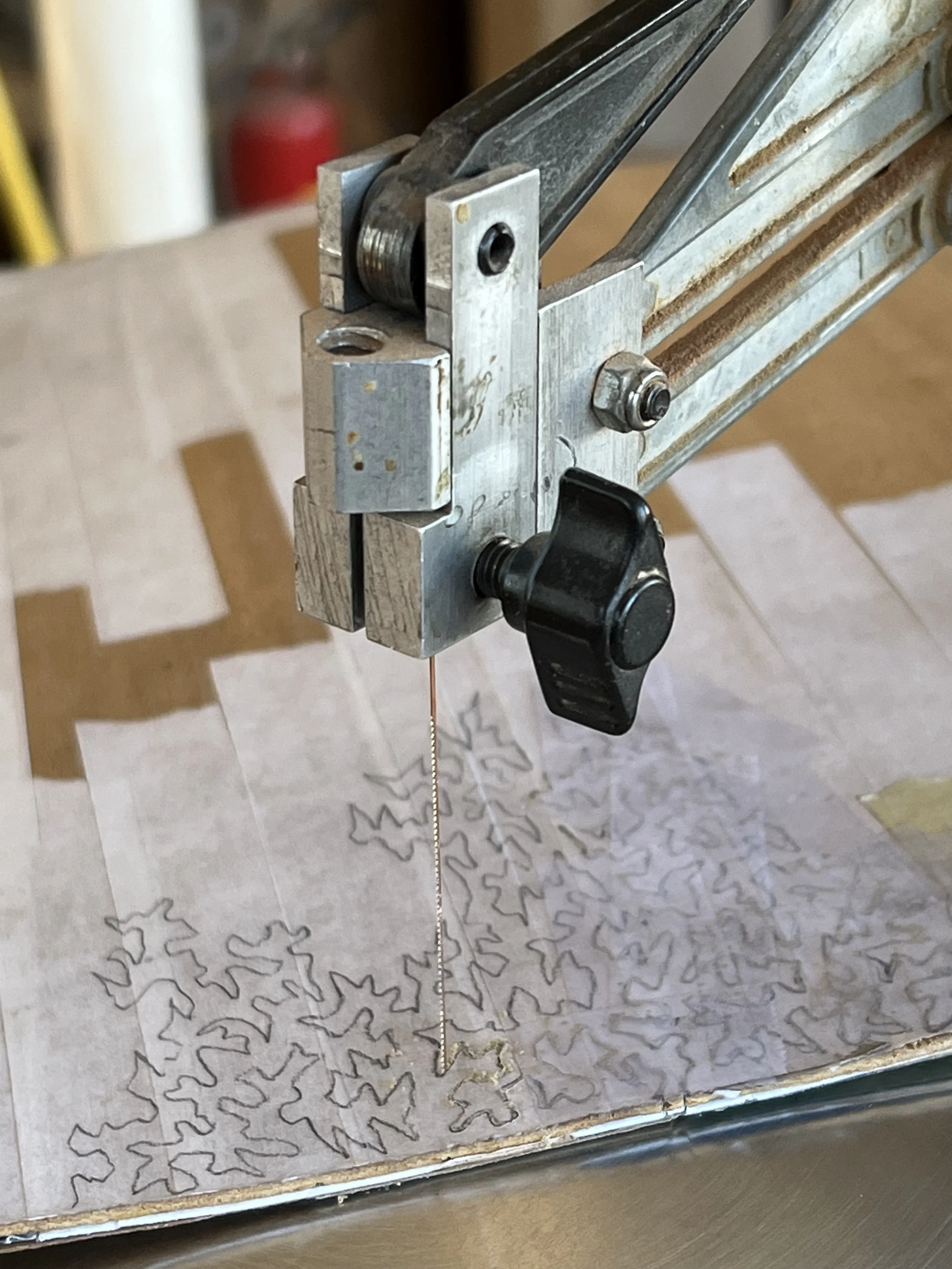
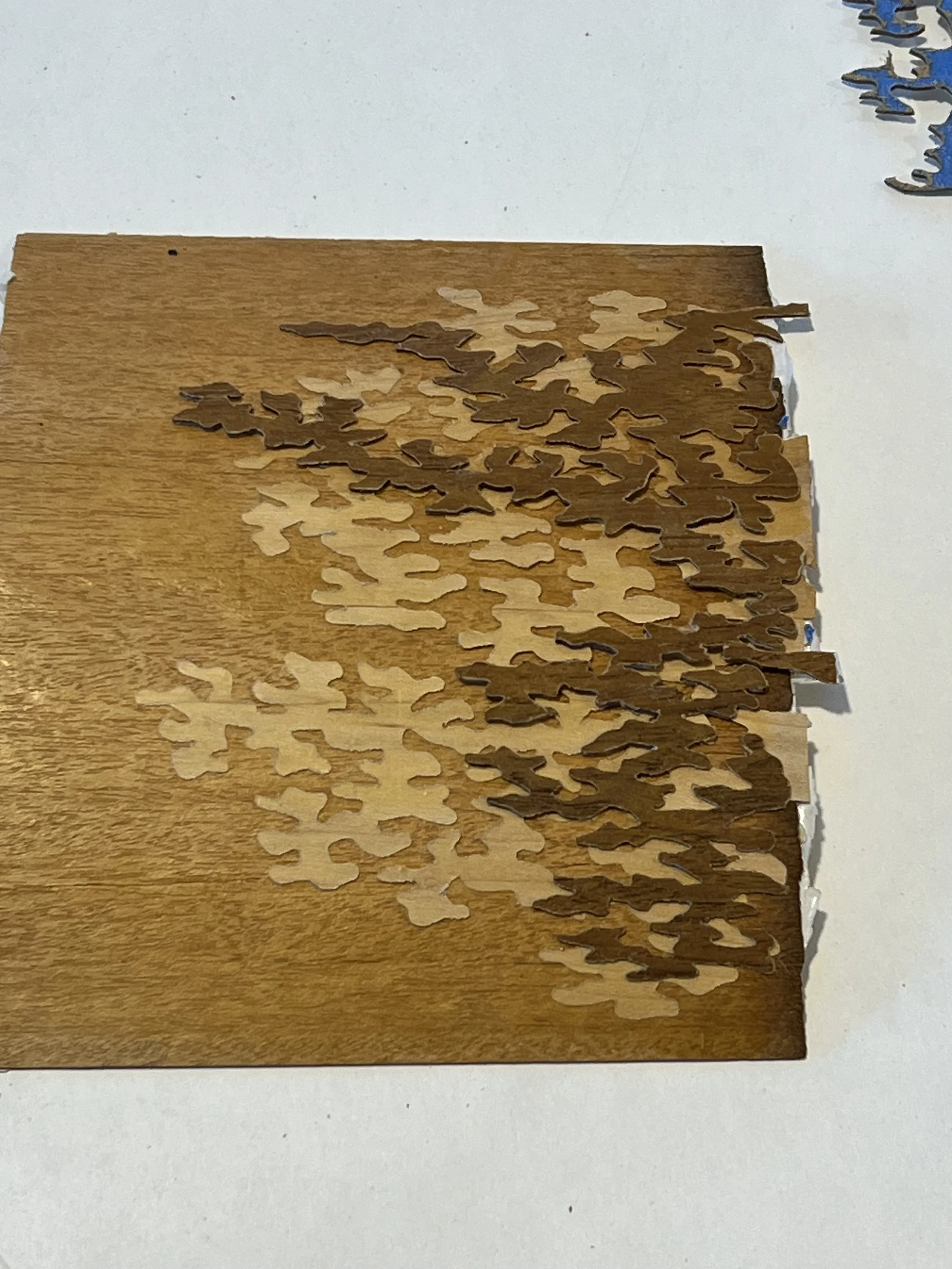
The pattern for my okapi cabinet was more complex, because I made overlapping layers of foliage. I made a test piece before I committed to the idea, since I was concerned that the veneer would fall apart when I started cutting the second layer. With a lot of preparation and tape to keep the wood intact, the technique was successful.
For the structure of my cabinet, I got inspiration from French Art Deco designer Émile-Jacques Ruhlmann. Many of Ruhlmann’s furniture designs feature torpedo-shaped legs that start part-way up the case of the piece, flare out, and then taper down to the floor.
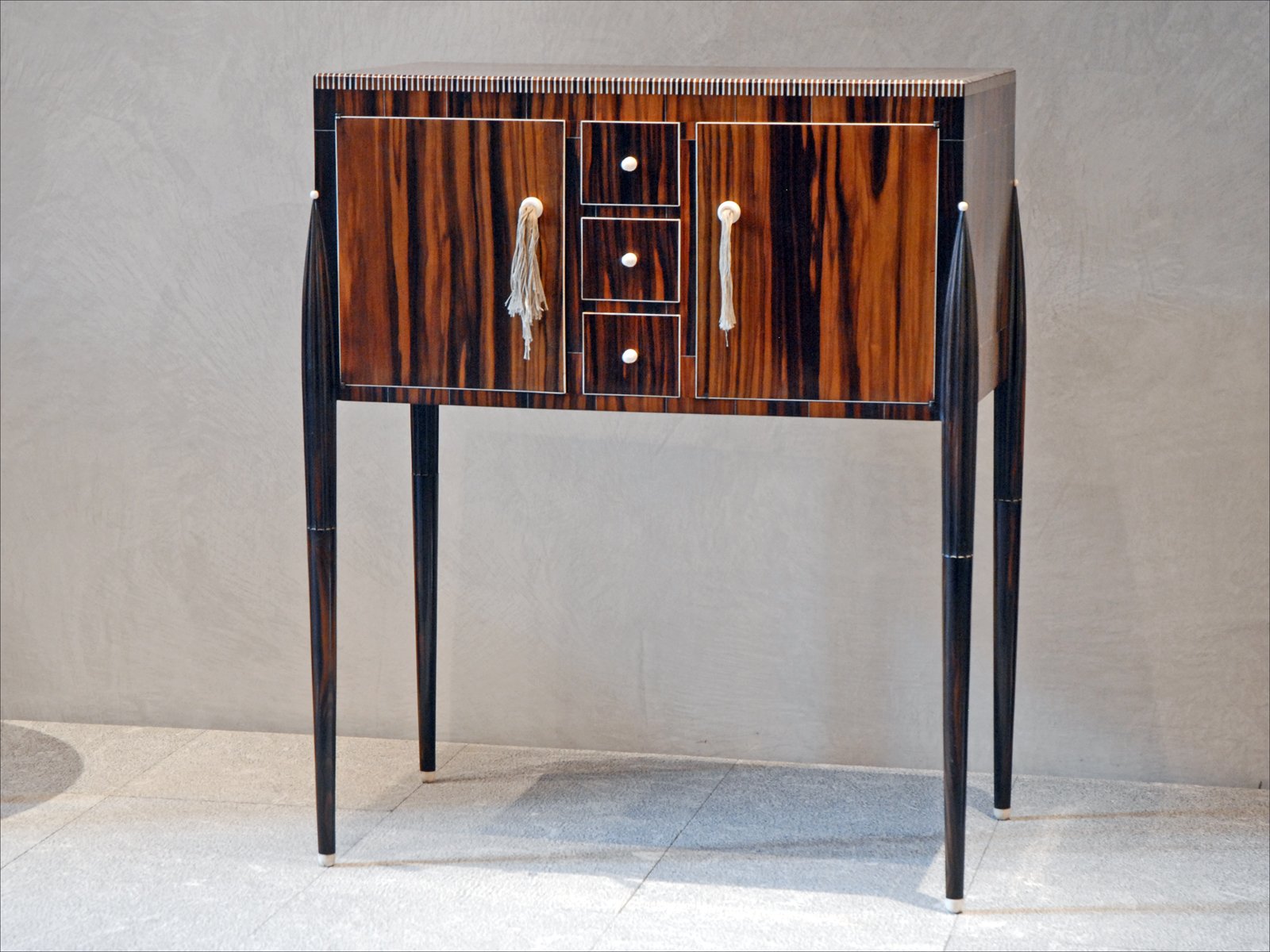
Photo: Jean-Pierre Dalbéra via Flickr (shared under Creative Commons Attribution 2.0 Generic license)
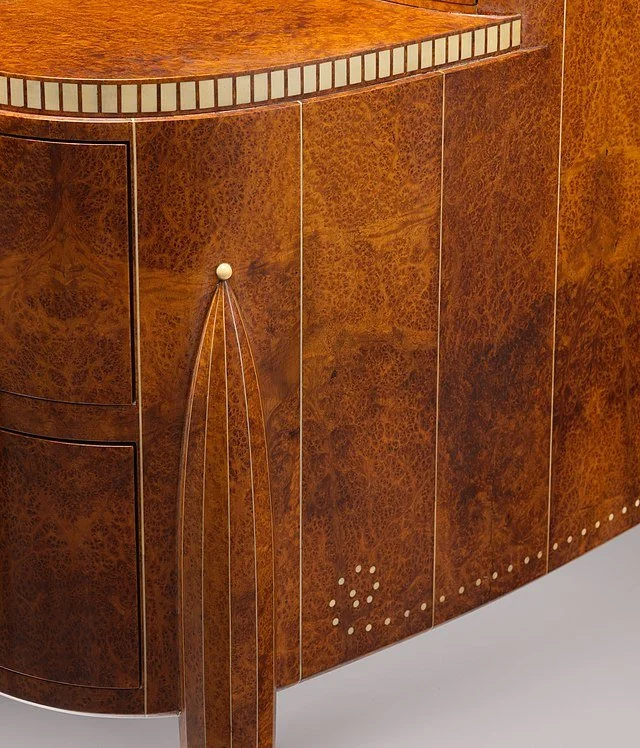
Photo: Metropolitan Museum of Art via Wikimedia Commons (shared under Creative Commons license CC0)
I also decided that the case of the cabinet would be a trapezoid with curved sides. If all this sounds like a very complicated design for a cabinet, you are correct!
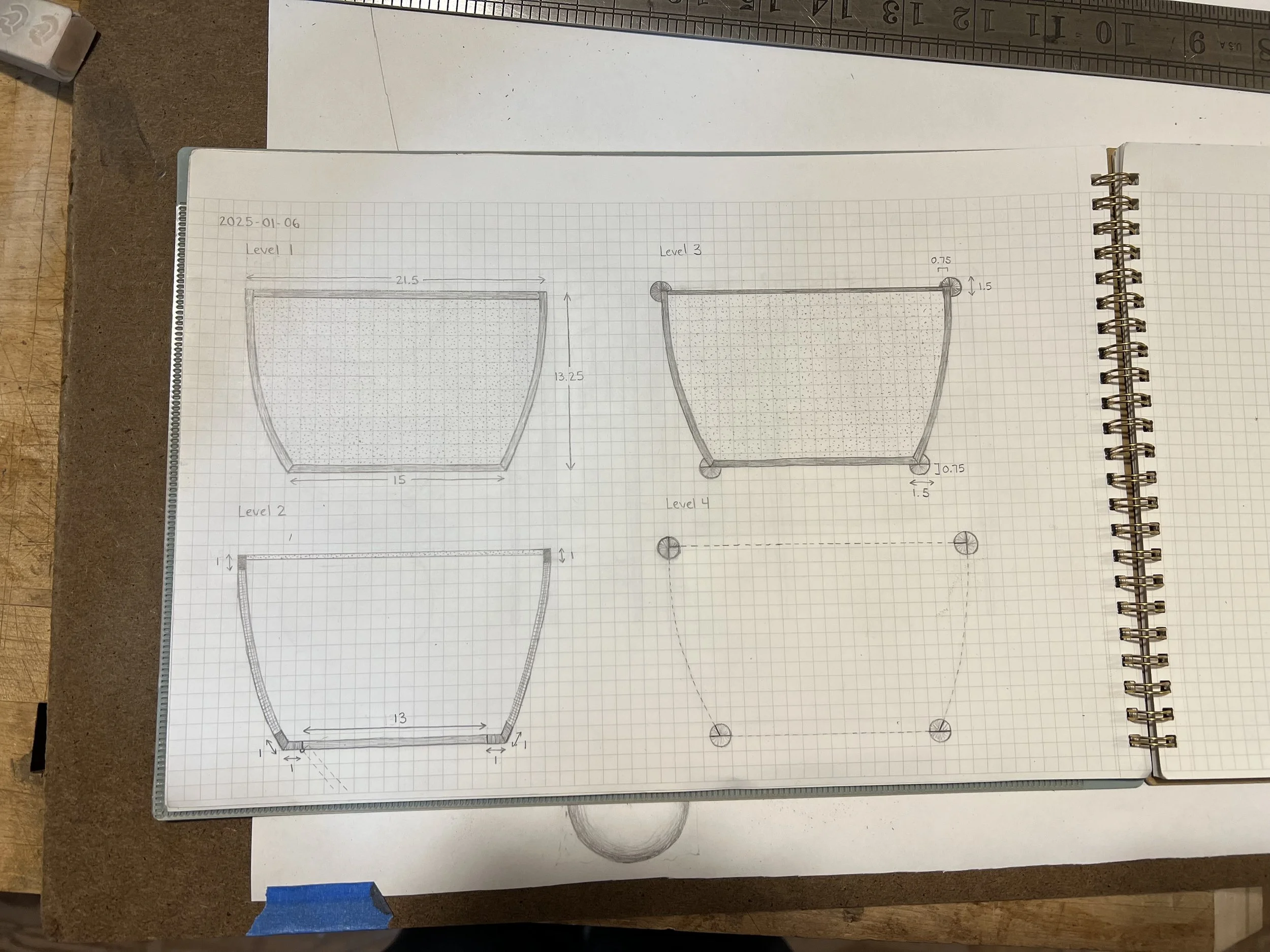
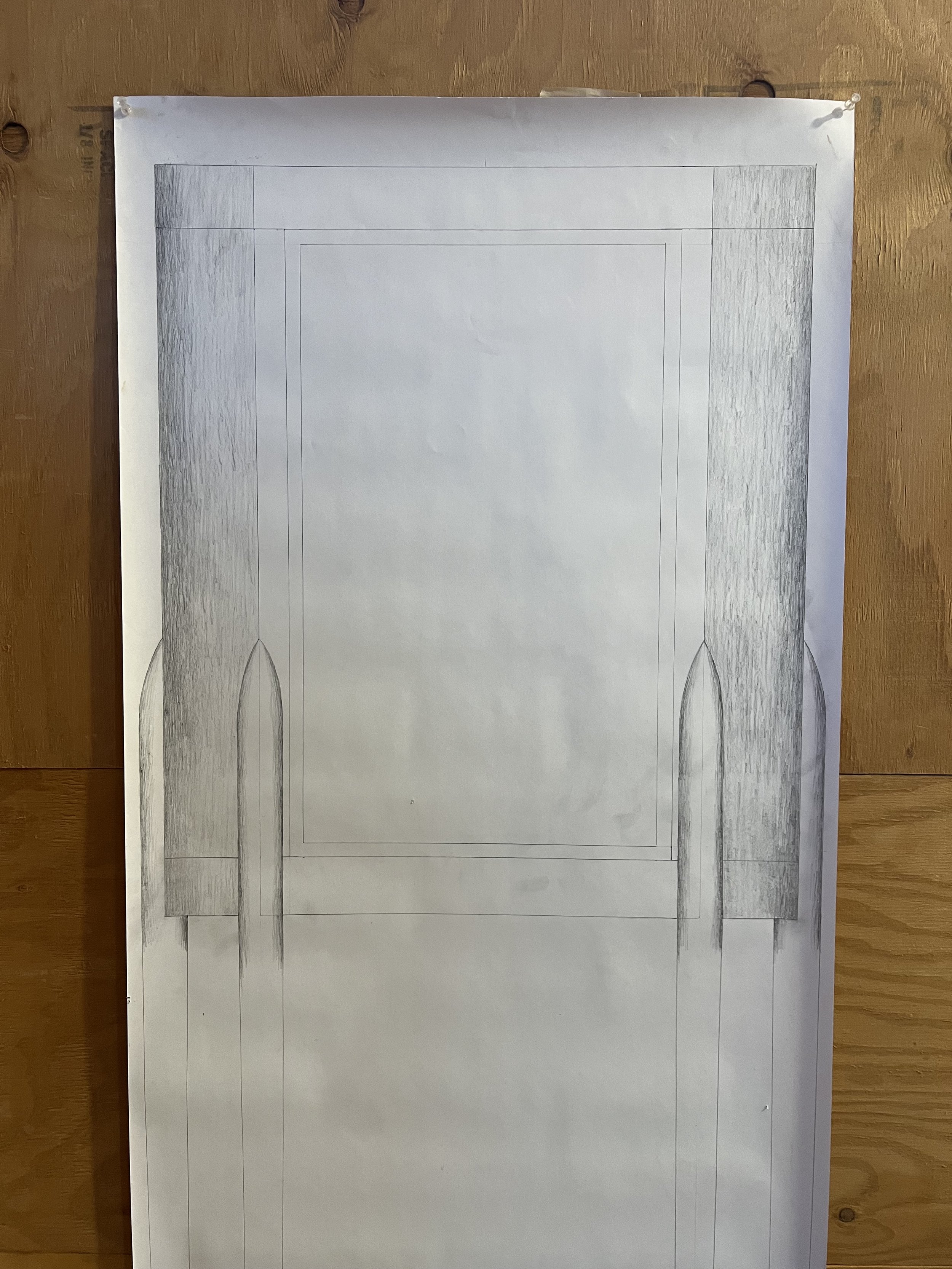
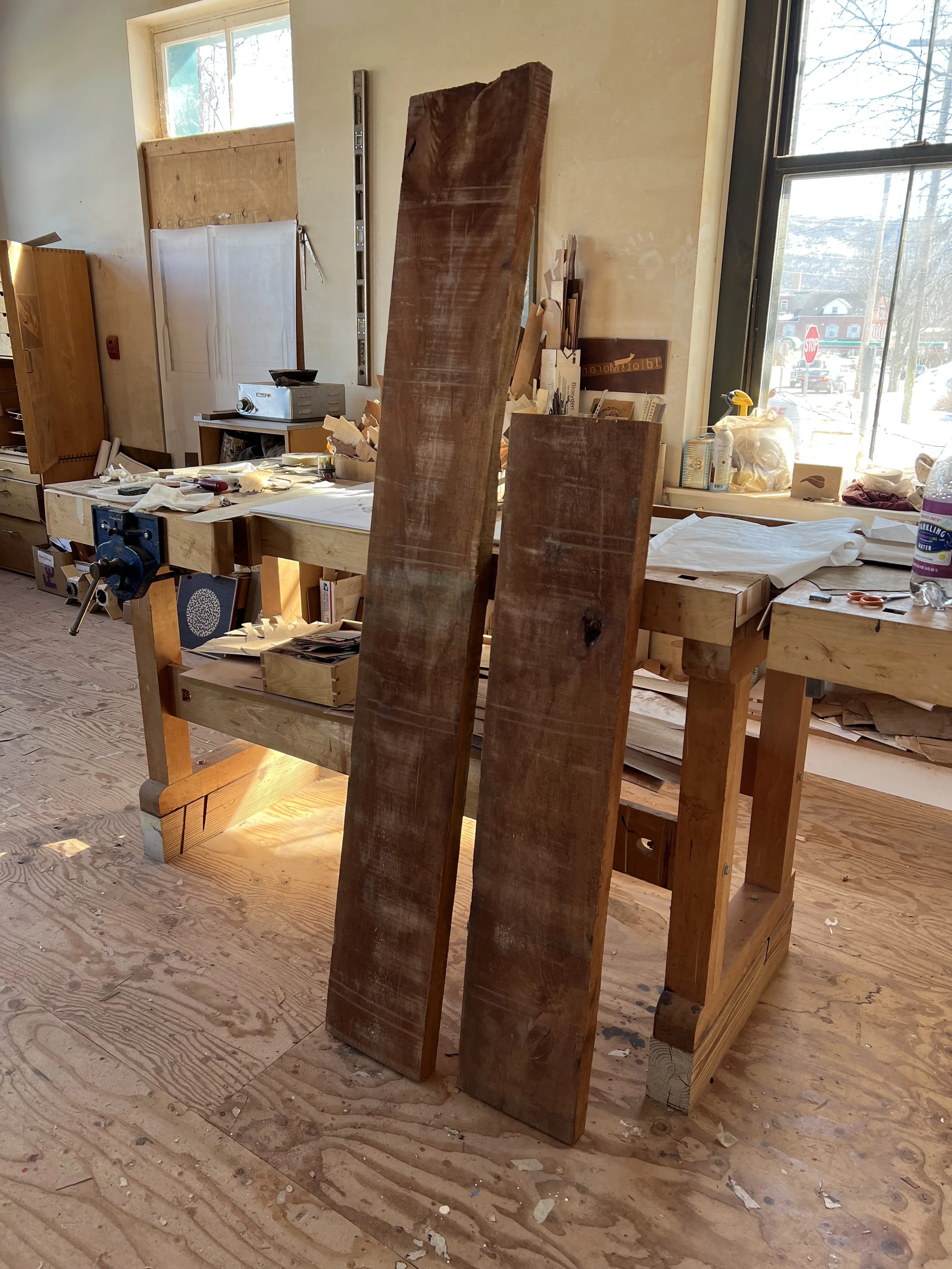
For the solid wood portions of the cabinet, I got a large board of cherry which was big enough for all 26 of the main pieces of the cabinet.
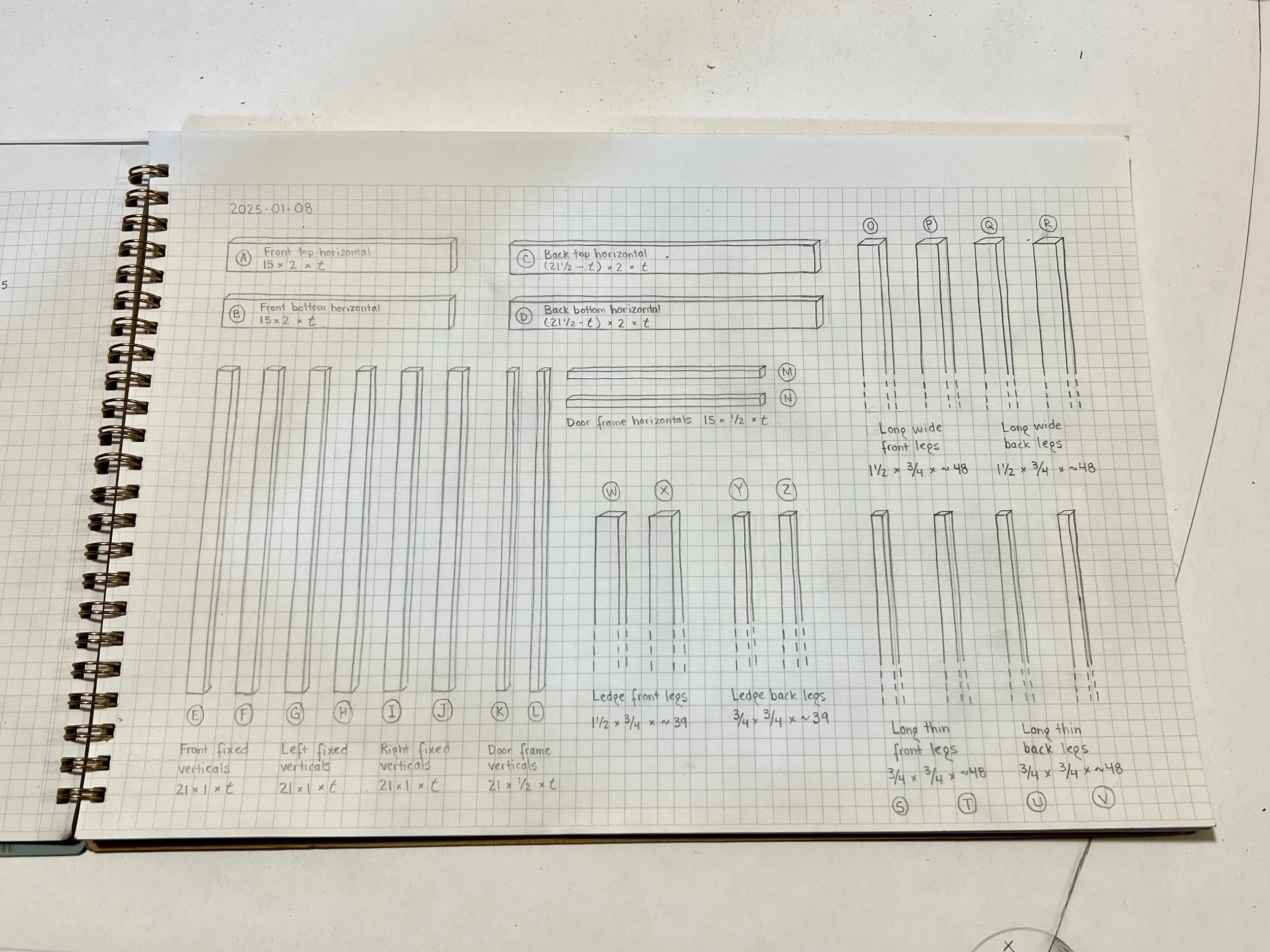
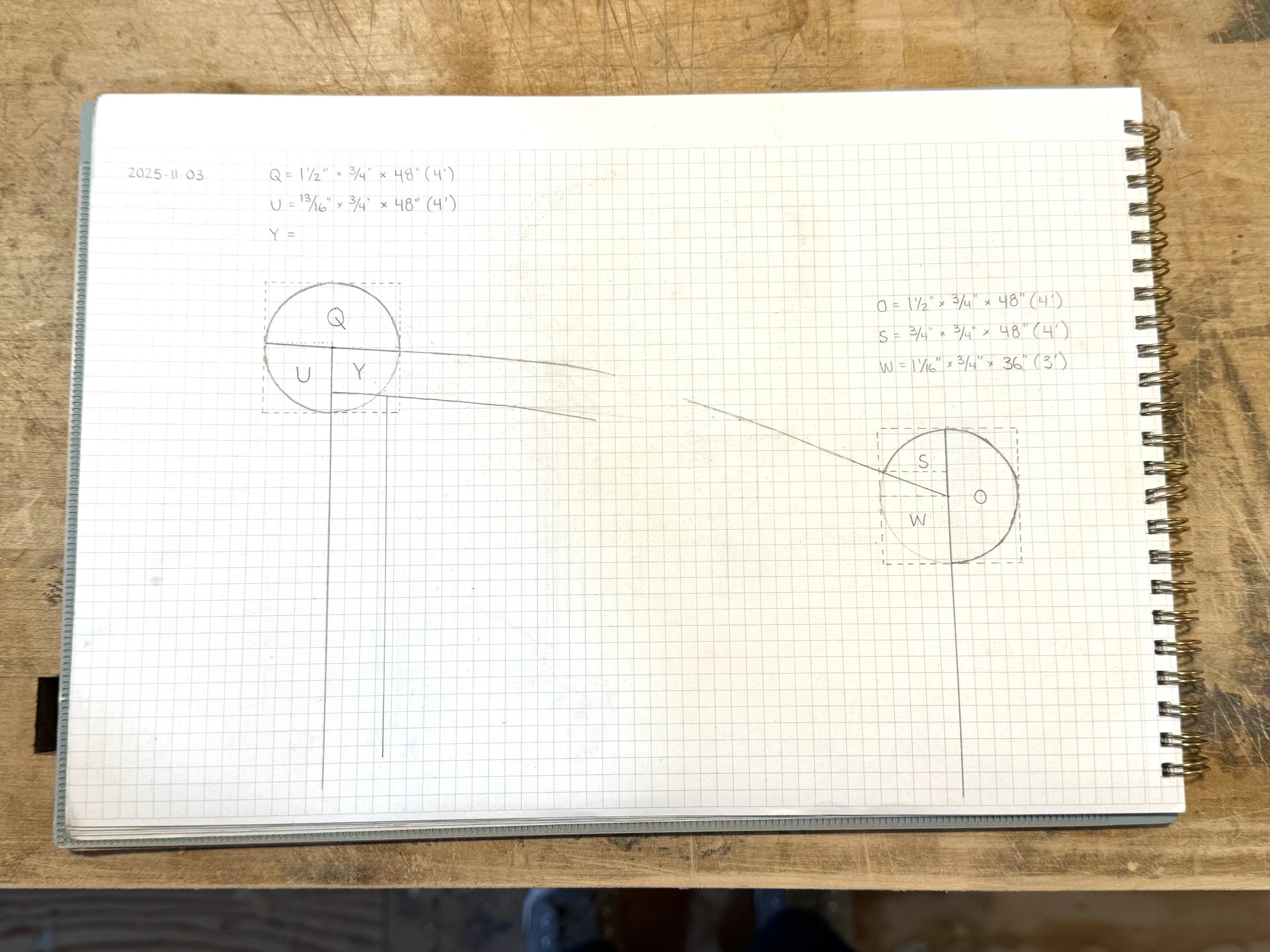
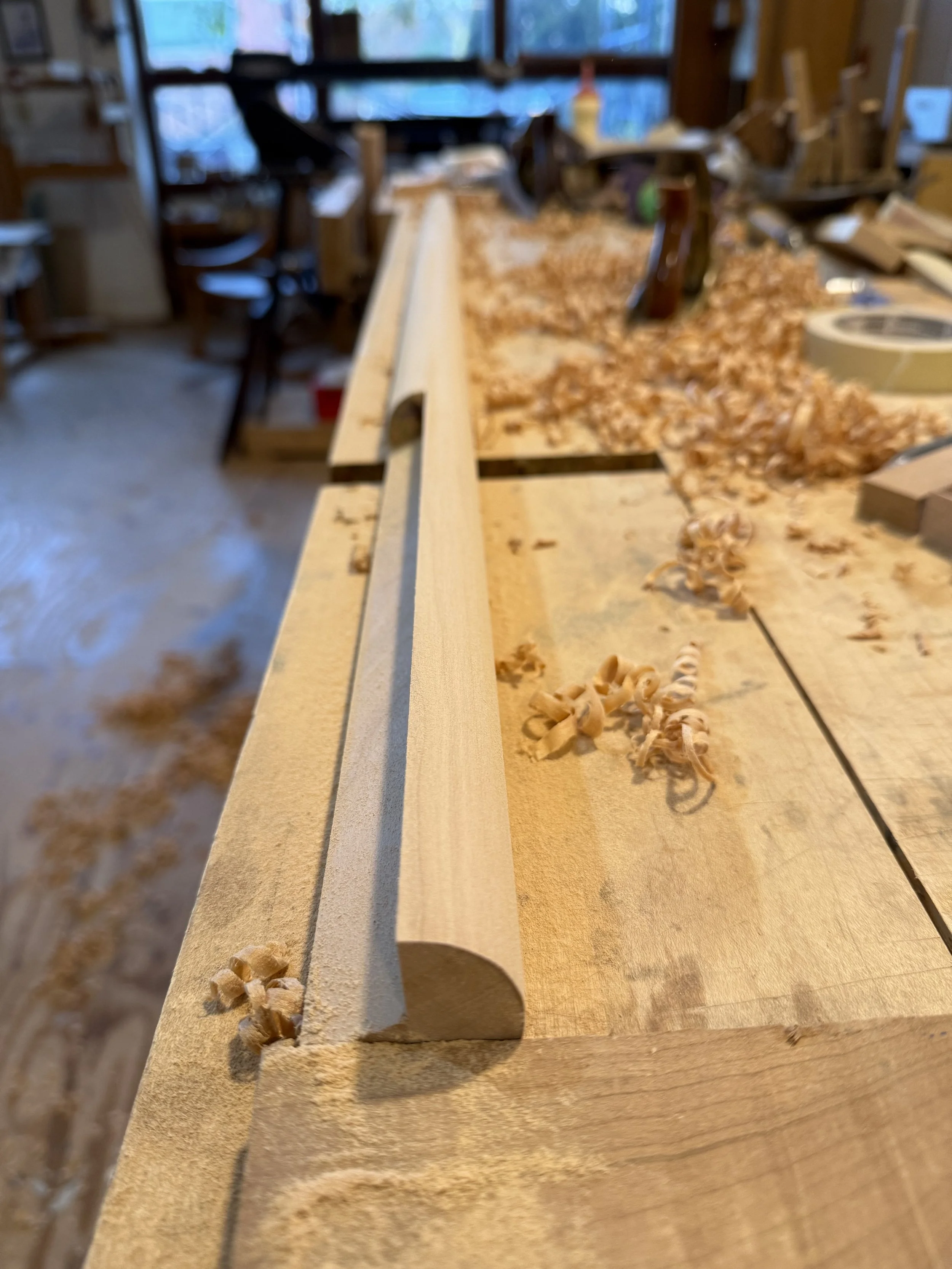
Each leg was made from three pieces of wood, glued together lengthwise. I shaped them with a hand plane, chisels, and lots of sandpaper.
As usual, I finished the piece with tung oil.
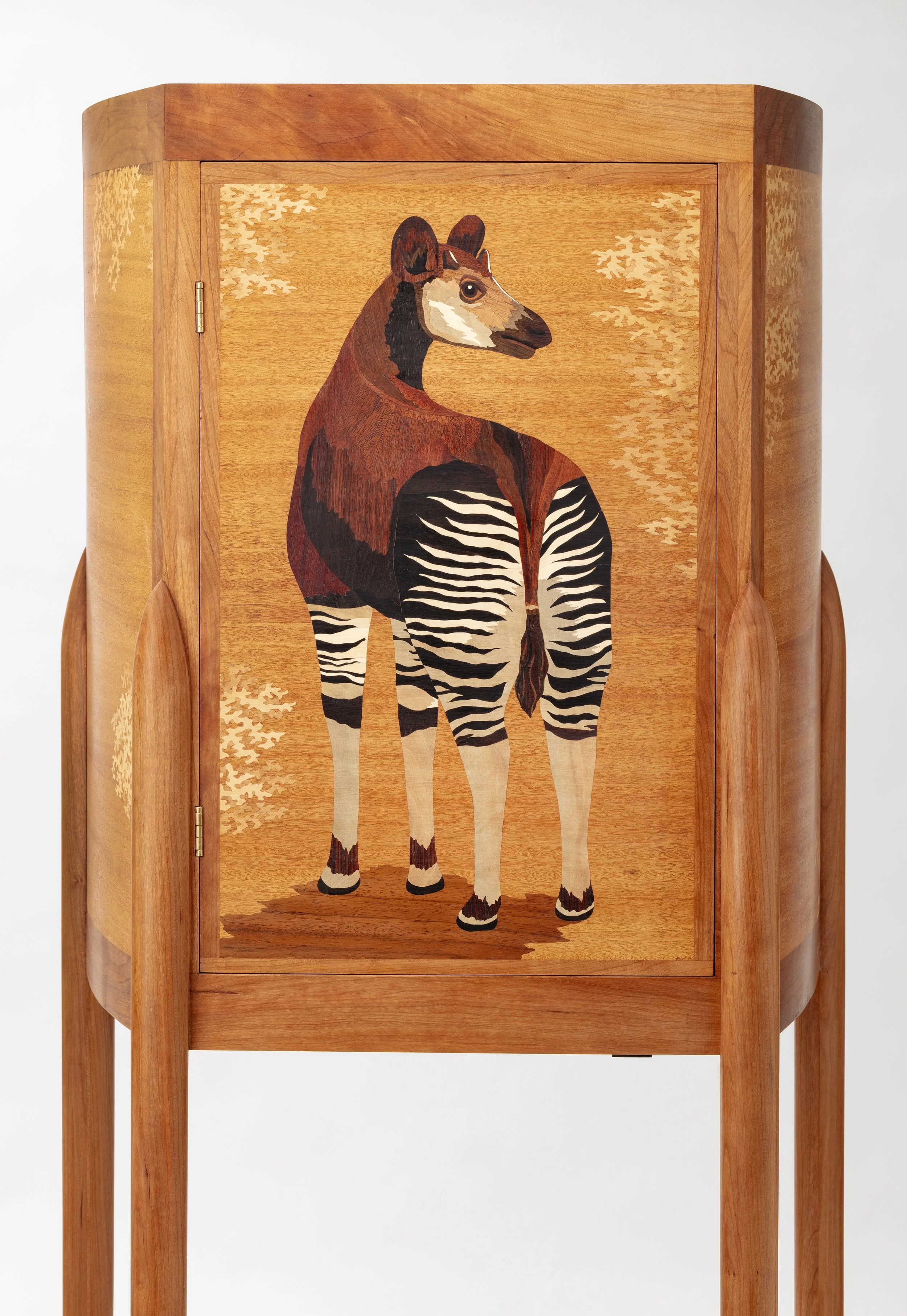
Photo: John Polak Photography
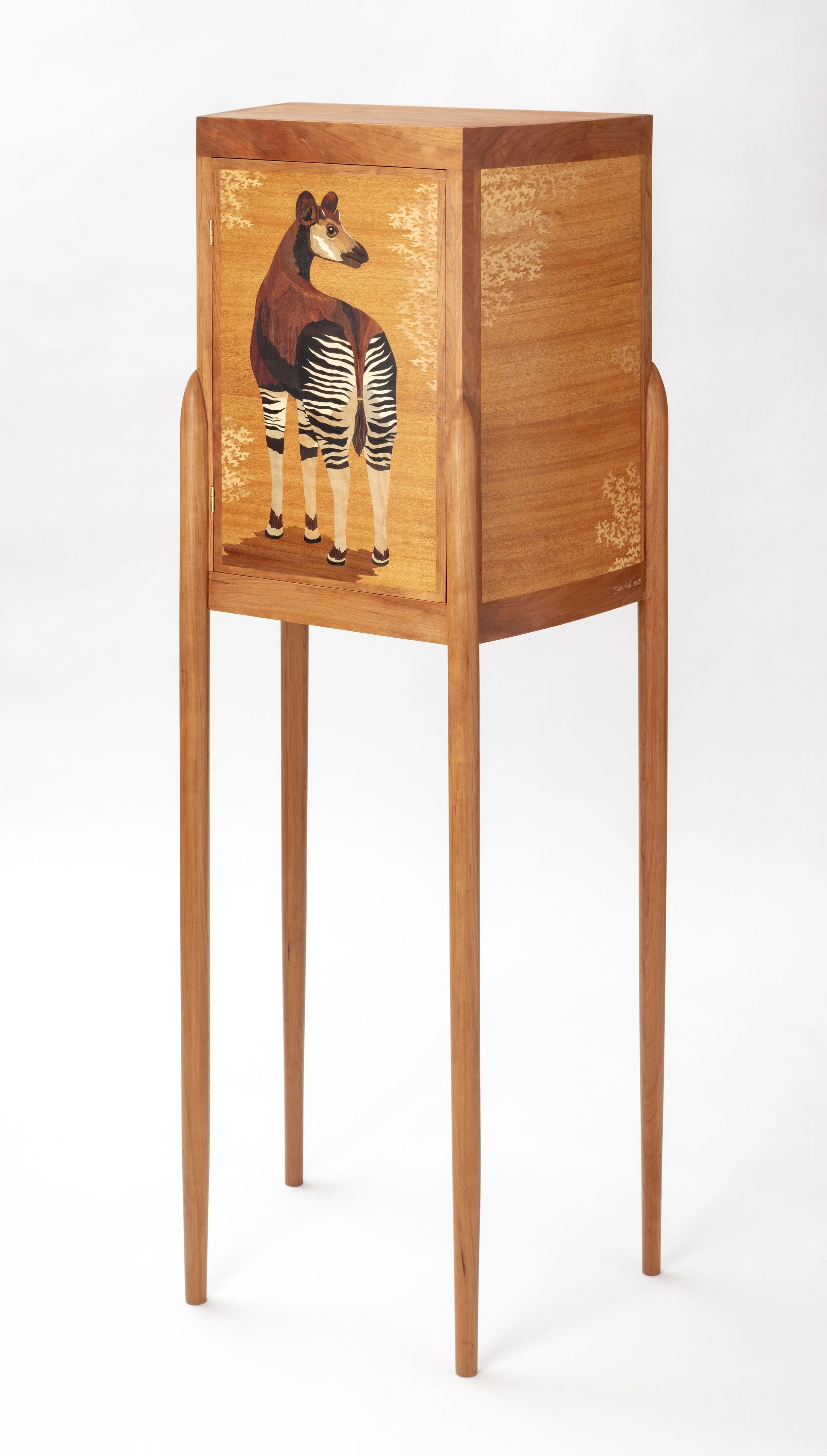
Photo: John Polak Photography
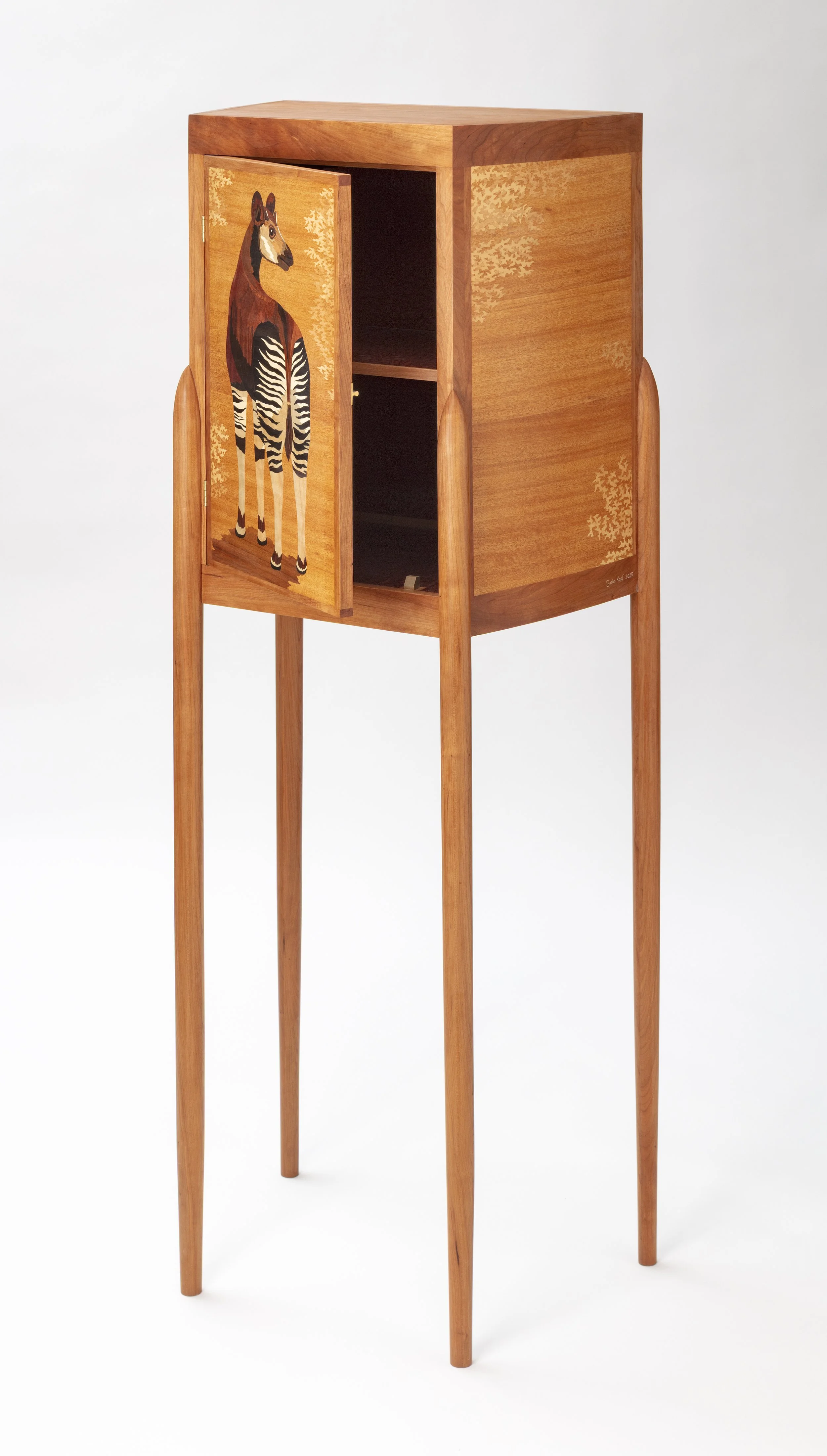

Photo: John Polak Photography